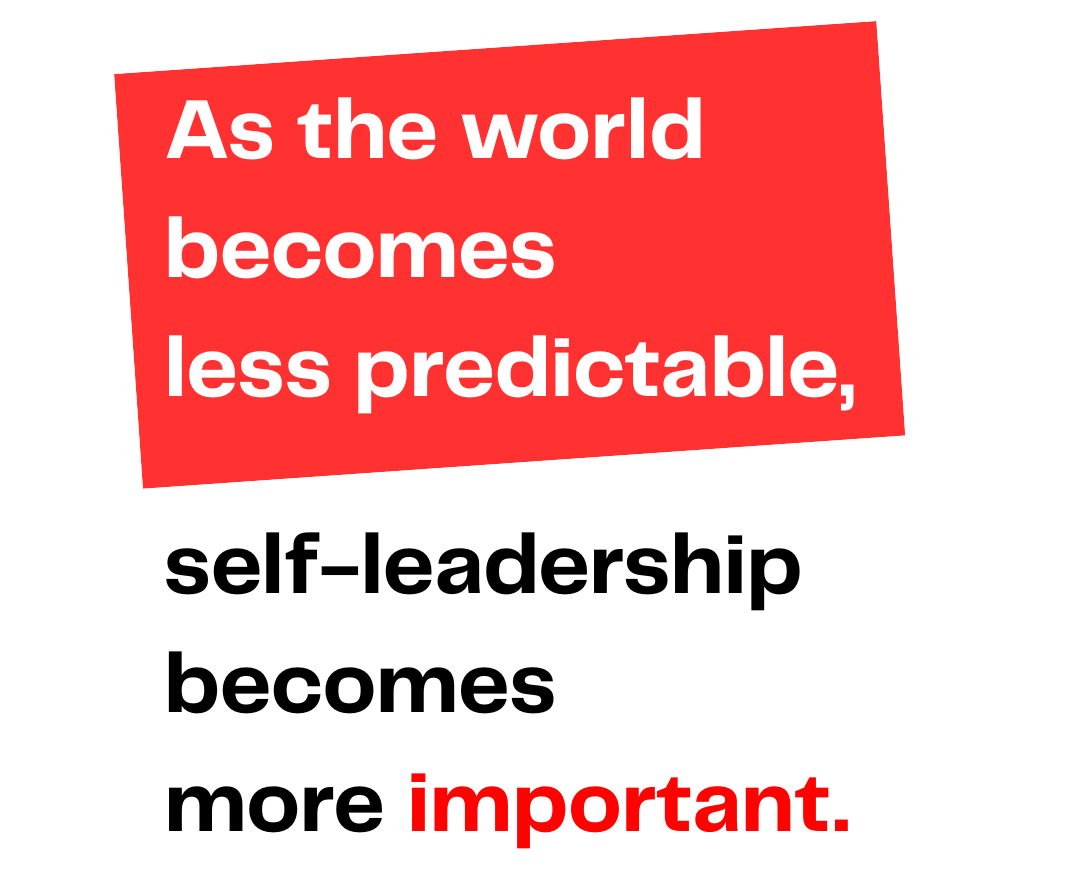

4 Questions that will change your relations at work
Saba Imru Mathieu

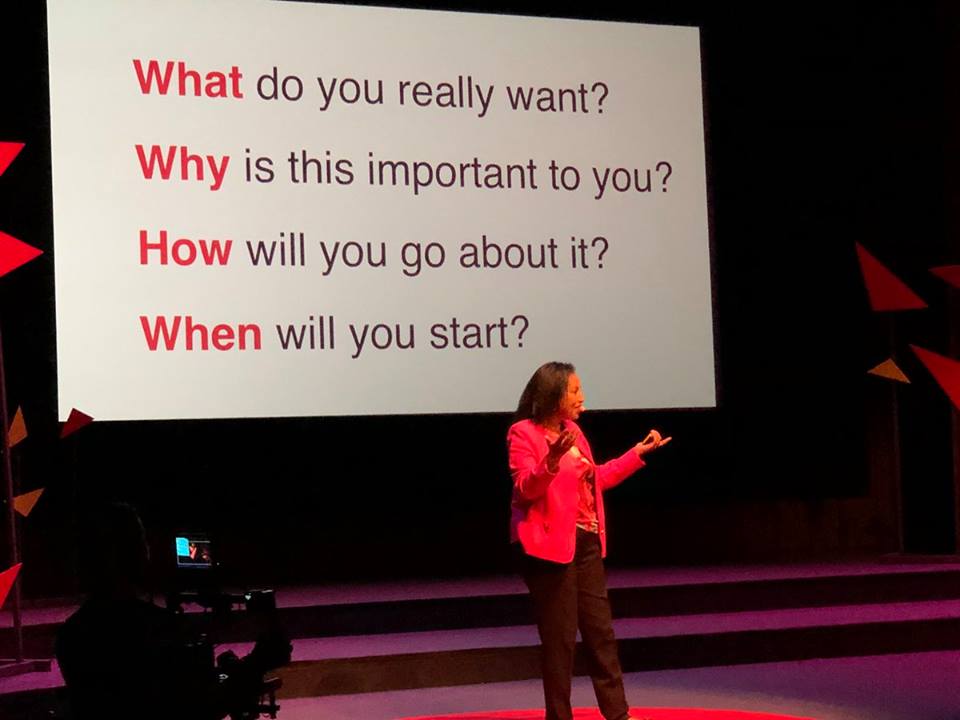
Here’s a segment from my TEDx Lausanne Talk on 7 May 2018

When someone comes to you with an idea of something they want to do, but they’re still wondering about it, instead of jumping in to give them all sorts of advice, try adopting a coaching posture by asking these 4 questions:

  • What do you really want? Let them formulate and describe their wish in detail.
  • Why is this important to you? Get them to find the meaning, the sense, the value of it.
  • How will you go about it? Help them explore how to move forward.
  • When will you start? Invite them to take action.

Listen carefully, don’t interrupt, let them think it through.

It’s their idea, your questions will help them work out their solution.

It seems so easy, it’s almost ridiculous, right? But that’s it.  Even a small step into a coaching posture can lead to big changes.

Next time a colleague, your spouse, or your teenage kid comes with a problem or maybe a timid dream, ask these simple questions,  and surprise them with what they will discover!

Try the 4 questions, and let me know what happened with a comment below!


© 2018 Saba Imru-Mathieu 


Photo Credit R. Baldwin 


Saba is in charge of organizational development initiatives, coaching culture implementation, and the coaching and educational programs at Leaders Today. As the founding partner, her work focuses on developing international leaders, fostering collaboration in multicultural workplaces, and advancing the skills of coaches within global organizations.
© Leaders Today

An ant pushes a large stone uphill. Text reads:
By Saba Imru January 30, 2026
This is a subtitle for your new post
A title slide titled
By Saba Imru-Mathieu, MA, ICF PCC November 9, 2025
The human science behind potential, change, and growth
A person standing in a bright yellow field of flowers with arms outstretched toward a clear blue sky.
By Saba Imru-Mathieu, MA, ICF PCC October 27, 2025
6 Self-coaching tools to get you back on track with energy and focus
A person with wavy hair sitting by a window, holding a tablet and looking out with a gentle smile in soft, bright light.
By Saba Imru-Mathieu June 7, 2022
You may be wondering why all the promotions are passing you by. Here are 10 things you can do to set yourself up to progress in your career and prepare yourself for a leadership position.
By Saba Imru Mathieu August 11, 2021
A coaching conversation unfolds as a form of gentle inquiry aimed at helping a person to think through a problem, clarify an objective or find new perspectives. The "coach" uses open-ended questions that invite novel thinking, and largely refrains from giving their own tips.
Two professionals in light-colored shirts sitting at a desk, having an animated discussion with documents present.
By Saba Imru Mathieu January 3, 2021
Pourquoi acquérir des compétences en coaching ? Le coaching était en grande partie réservé aux cadres exécutifs et supérieurs pour lesquels un coach professionnel externe était embauché pour les aider à progresser dans divers aspects de leur fonction de leadership. Le coaching est une expérience d'apprentissage et de développement exclusive et hautement personnalisée, conduite par les objectifs du client, ce qui explique pourquoi les entreprises étaient disposées à faire l'investissement uniquement pour un nombre choisi d'employés. Plusieurs recherches sectorielles, y compris ceux publiés par la Fédération Internationale de Coaching ont mesuré les avantages de recevoir un coaching et le retour sur investissement s’avère être excellent, parfois exceptionnel selon la façon dont il est calculé. Les résultats montrent que les employés, à divers niveaux organisationnels, qui se font coacher améliorent les performances et la gestion des affaires, augmentent leur productivité et leur motivation, aiguisent leurs qualifications en résolution de problème, deviennent plus autonomes et proactifs, et développent une attitude globale plus positive qui à son tour influe positivement sur le climat organisationnel. Compte tenu de tous ces avantages remarquables, les entreprises augmentent la disponibilité du coaching pour un segment plus large de leurs employés en créant des rôles de coachs internes, généralement les professionnels RH qui fournissent des services complets de coaching. Ils forment également les gestionnaires à intégrer les compétences de coaching dans leur style de leadership.
Show More