

Music, the spoken voice and other sounds
INTRO
Where there are listeners, we have to have sound(s) to listen to. In Tucson AZ April 12, 2016 at the
ILA International Listening Association Convention there were plenty. Starting from the cascading fountain in the hotel’s patio, chirping birds in the trees, early bees announcing a warmer season and an air force parade in the desert skies.
The most important of them all were the sounds of people attending this Convention. Welcome and moving talks at the luncheons, passionate presenters, laughs and forks during the meals, a strings orchestra, silences of quality, stimulating and meaningful conversations.
MAIN THEME
After having attended several outstanding sessions and given my presentation,
I had very interesting conversations about listening to sounds, music, people and silence. Many ILA members are musicians or had fun with a musical instrument at a certain point in their life.
In my presentation
“Can Appreciative Listening be a way to (re)discover the motivation to listen to people?” one aspect attendees really liked is what I call:
“The Composer’s approach”
Listen to music as if it were a person
Listen to a person as you would listen to a musical instrument

As a composer, I’m constantly attuned to all the sounds the Universe is offering.
I don’t have a specific purpose. I’m available. But I’m constantly in search of the “music” in what I hear (be it objects, music, nature or living beings). When I hear an interesting sound that could lead to a musical composition, I direct my attention to this sound. And music comes to me. Even in my dreams when I sleep.
You may think it must be tiring.
When I hear people, there are some
“interesting” sounds in what they say that capture my attention. At times I’m a simple listener from a distance, in the same way I would be an observer of a situation, other times I am a part of the conversation and I spot interesting sounds along the way,
in the same way I listen to music. This heightens my desire to listen and regenerates my alertness.
When I listen to music, I perceive sounds and how these sounds are arranged together on several parallel channels (bass, drums, percussion, guitars, violin, strings, keyboards, synthesizers, horns and more, sometimes including human voice with or without words and meaning).
It is multichannel listening.
Be able to apply multichannel listening is an advantage when listening to the many components of the sounds produced when a person speaks (breath, melody, rhythm, dynamics, articulation, tone, silences…).
What’s also interesting are
the interactions between all these components as a means to perceive more of the message, be it music or spoken voice.
Using this approach to listen to the sounds and aural language of a person is also useful when we can’t see the person and have to understand the meaning of the words. We can compare what we understand with the general idea we have through the sounds of the person.
It can lead to finding congruence or discrepancies.
This is what I suggest by:
“the Composer’s approach”
It is something that can be learned.
CODA
Approaching listening through the appreciation of sounds also teaches us
the Art of Silence.
“Ears can go where eyes can’t see”
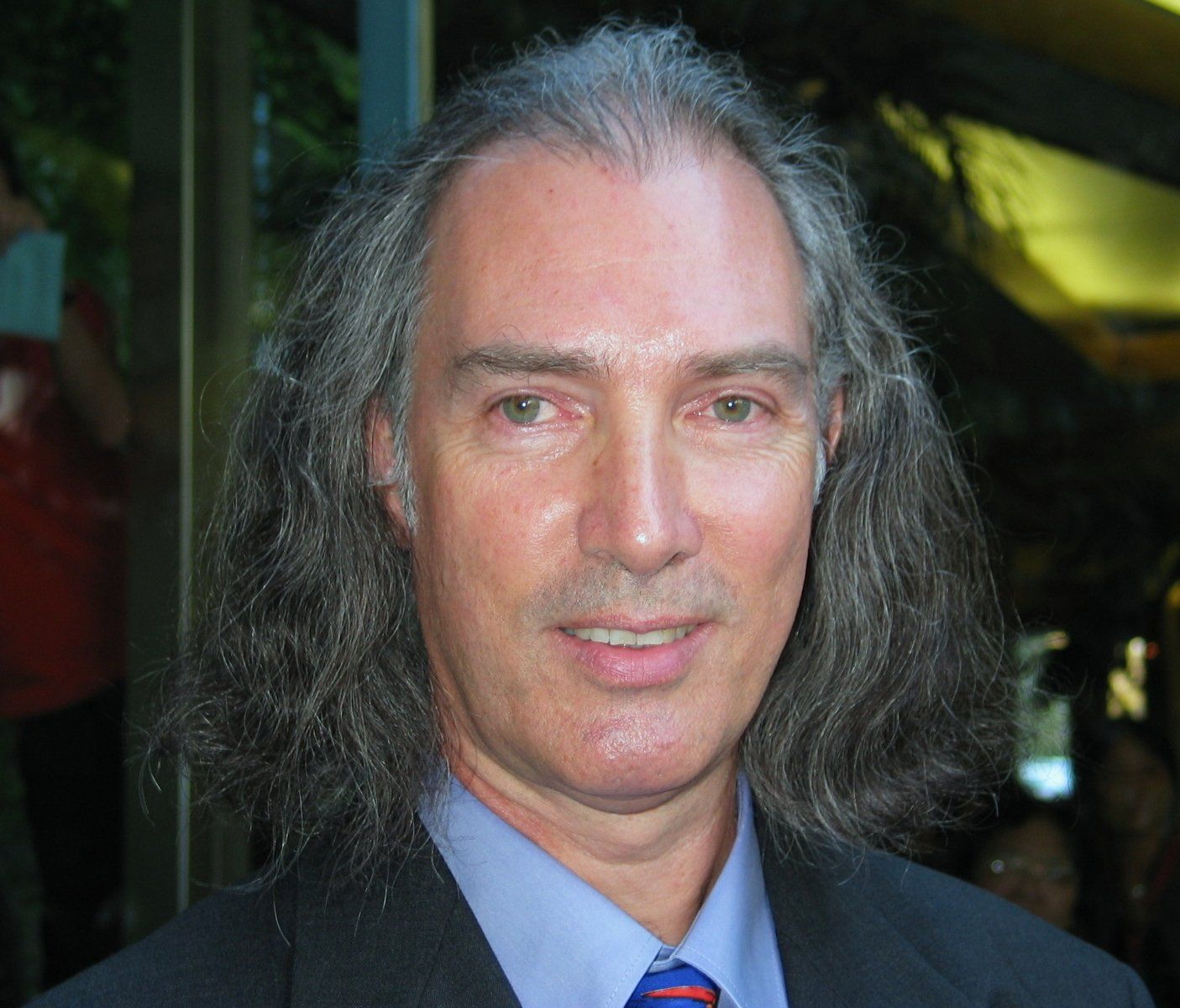
Jean-François MATHIEU (jfm) April 2016
Music Composer,
improviser, producer, trainer
Listening Culture Designer at Leaders Today
Chair of the ILA International Day of Listening 2018
Leaders Today Academy
Contact us for a
Talk
or a
Workshop
in your organization
contact@leaderstoday.co
#listen #leadership