
How do we talk about coaching impact without breaking confidentiality?
For coaching to be embedded in culture we must have a shared language to talk about it
One of the recurring challenges in executive coaching is this:
How do we talk about coaching impact without breaking confidentiality?
Executive coaching needs privacy. Leaders need a space where they can explore doubts, assumptions, reactions, relationships and patterns of behaviour without wondering how those conversations might later be reported.
Yet organizations also need to understand whether coaching is making a difference.
This tension has interested me for a long time.
Where the Problem Shows Up
Typically, there are three key moments when this tension is most visible: the initial kick-off meeting with the coach, client, organizational sponsor and HR, where shared goals are determined and the process clarified; the mid-term progress check-in; and the final conclusions meeting, where coaching outcomes are addressed.
In addition, if the company conducts an ROI or other post-coaching evaluation, it may be fraught if communication around the outcomes has not been clear.
Of course, not all organizations have a coaching management process that includes all these meetings, and the parties involved may differ.
And sometimes there is no process at all, especially if you're coaching the most senior executive, in which case it may be an exclusive program with no other parties involved.
My Experience
When I first started executive coaching, I noticed that these sensitive meetings often involved quite a bit of nuanced communication, hinting at issues to be resolved, or recognizing progress while avoiding stating that there was a weakness to be fixed.
I wanted to make sure that everyone felt comfortable enough to have a candid conversation about the purpose of the program, while respecting boundaries and protecting confidentiality.
My initial onboarding process included, among other factors, goal-setting in three categories:
- desired tangible outcomes
- desired behavioural changes
- desired intangible internal changes needed to achieve the first two
The first two could usually be discussed with the coachee, sponsor or HR to reach a common agreement.
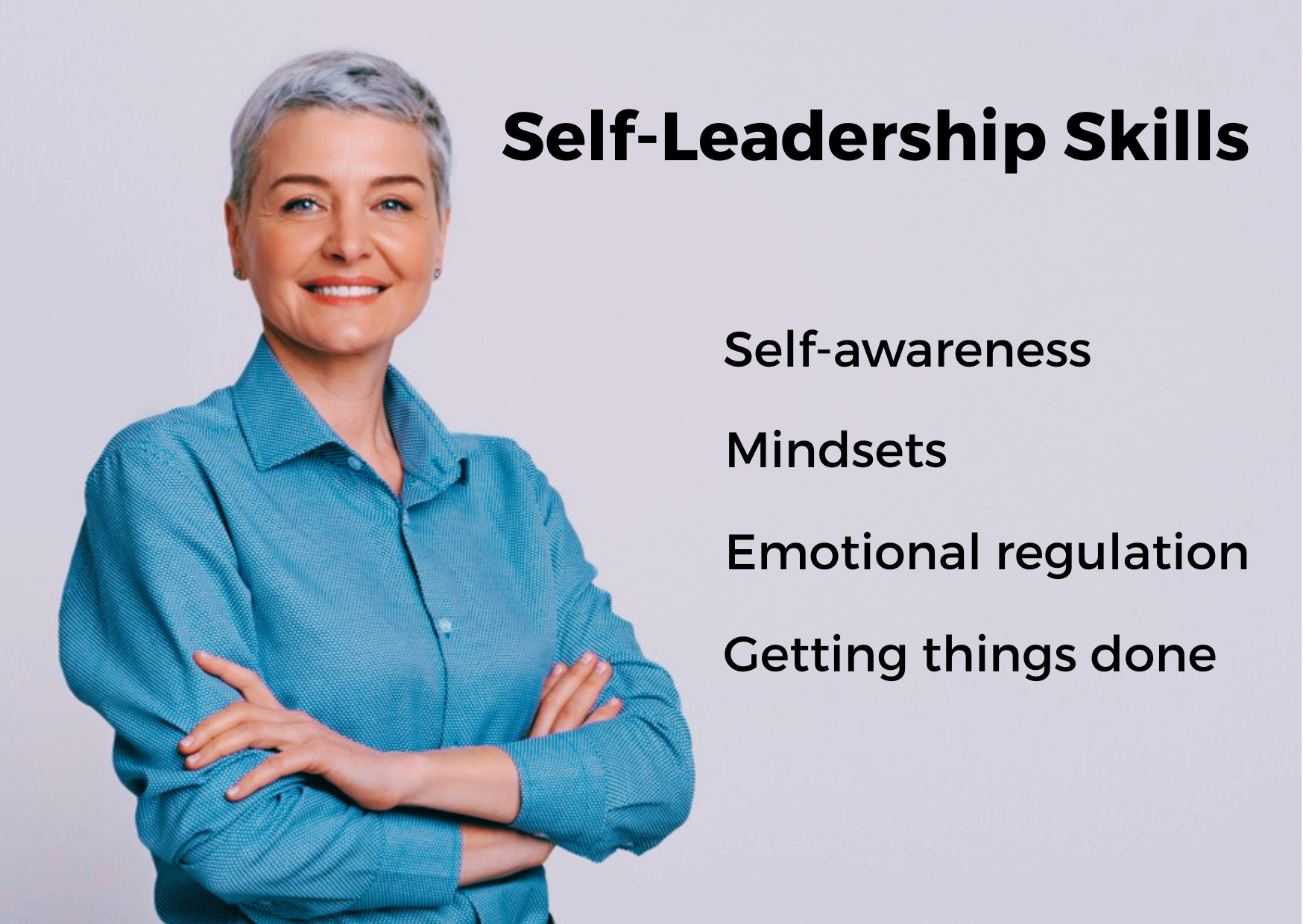
The third belonged entirely to the coachee because it might involve personal aspects of self-leadership, such as greater self-confidence, a different relationship with control, improved emotional regulation, increased self-awareness, or a shift in the assumptions driving behaviour.
My Model – A Development Path
That thinking has gradually evolved into what I now call the
Leadership Impact Pathway™: Lead Self, Lead Others, Lead the System, which provides a coherent way of developing leaders.
The three dimensions themselves are not revolutionary. Leadership has always involved the self, other people, and the wider organizational environment.
The Leadership Impact Pathway offers a framework to understand and structure what is, by definition, a tailored development process. Yes, that sounds like a paradox, I know. But it works well!
The Leadership Impact Pathway™ is not a curriculum through which every leader must progress across all three dimensions.
It is the architecture through which we understand, support and make sense of a highly individualized coaching journey.
A leader may spend most of their programme working primarily in Leading Self, or move repeatedly between Leading Others and Leading the System. There is no requirement to “complete” all three.
The client's goals determine the work.
My Model – A Vocabulary Too
But the framework also offers another important benefit,
and that's what I want to talk about in this article.
It gives organizations a vocabulary for discussing coaching progress, which I believe is absolutely essential if we want to demystify coaching as a development process.
This may be particularly sensitive when the person being discussed is a senior executive. Giving feedback about someone's personality, reactions or behavioural patterns can create discomfort on all sides — even when the observations are positive.
A developmental architecture changes the conversation.
Instead of discussing the confidential content of coaching, the conversation can focus on developmental domains and observable outcomes.
A Typical "Not So Good" Post-Coaching Conversation
Imagine a typical post-coaching conversation between a leader, their manager and HR. Without a shared framework, the conversation can become awkward surprisingly quickly.
- "What did you work on?"
- "How exactly have you changed?"
- "What did you discover about yourself?"
- "What did the coach say?"
Even when everybody has good intentions, these questions can move uncomfortably close to territory that properly belongs inside the confidential coaching relationship.
What interests me is what becomes possible when we use the three dimensions of the Leadership Impact Pathway — Lead Self, Lead Others, Lead the System — as a shared developmental language.
A Better Post-Coaching Conversation
- A leader can say: "Much of my coaching work has been in the area of Lead Self, particularly around how I respond under pressure."
- Their manager might observe that difficult conversations are now handled more calmly.
- HR can understand that development has occurred in self-leadership and is influencing people leadership.
Nobody needs to know what was discussed in the coaching room.
The content of coaching should remain confidential. But the developmental journey and its impact can be something leaders talk about.
The Advantages of a Better Language for Leadership Development
Making leadership progress visible while preserving the private developmental space fosters and models an open spirit of learning in the organization, and contributes to creating a coaching culture.
For HR and organizational sponsors, this type of framework can make coaching evaluation considerably more useful, rather than trying to figure out what actually changed based on the coachee's narration of a series of seemingly disconnected events.
Instead of receiving vague reports that someone "found the coaching valuable," HR can explore development in a structured way.
Perhaps building a coaching culture is not only about offering more coaching. It is also about creating a language that allows us to talk about development openly, while respecting the boundaries that make genuine development possible.